
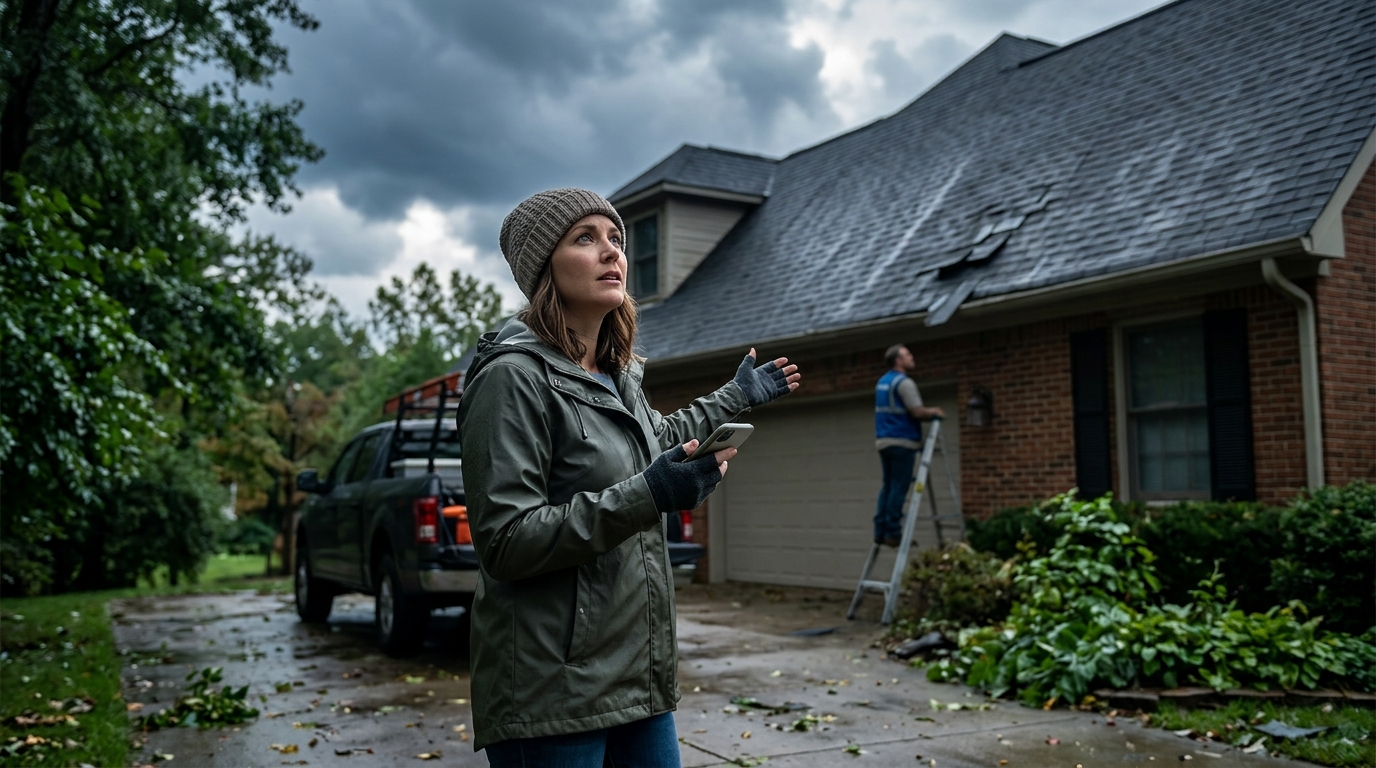
Severe weather events cause billions of dollars in property damage annually across the United States. According to the Insurance Information Institute, wind and hail are the leading causes of residential roof claims, with over 4 million claims filed in recent years for storm-related damage. When a storm passes through your neighborhood, the window for effective mitigation is narrow. Acting quickly protects your home's structural integrity and ensures your insurance claim is processed efficiently. This guide outlines the critical steps to take immediately after a storm, how to identify hidden damage, and how to work with certified contractors like Primo Exteriors to restore your property.
Safety First: Securing Your Property
Before assessing damage, prioritize the safety of your household. Storms often bring high winds, falling debris, and electrical hazards. If you notice significant structural compromise, such as a sagging roofline or large holes, evacuate the affected area immediately. Do not attempt to climb onto a wet or unstable roof. The risk of falls is extremely high, and roofing materials can be slippery even after the rain stops.
For minor leaks, you can take temporary mitigation steps. Place buckets under active drips to protect flooring and furniture. If you have access to a safe ladder, you can cover exposed areas with a heavy-duty tarp. Secure the tarp with wooden boards or nails to prevent wind from lifting it. However, remember that this is a temporary fix. Permanent repairs require professional intervention. Residential roofing experts have the training to assess structural safety that homeowners lack.
Identifying Storm Damage: What to Look For
Storm damage is not always obvious from the ground. Hail can create subtle dents in shingles that compromise their waterproofing layer. Wind can lift shingle tabs, breaking the sealant bond. Understanding these signs helps you communicate effectively with insurance adjusters and contractors.
Shingle Damage Indicators
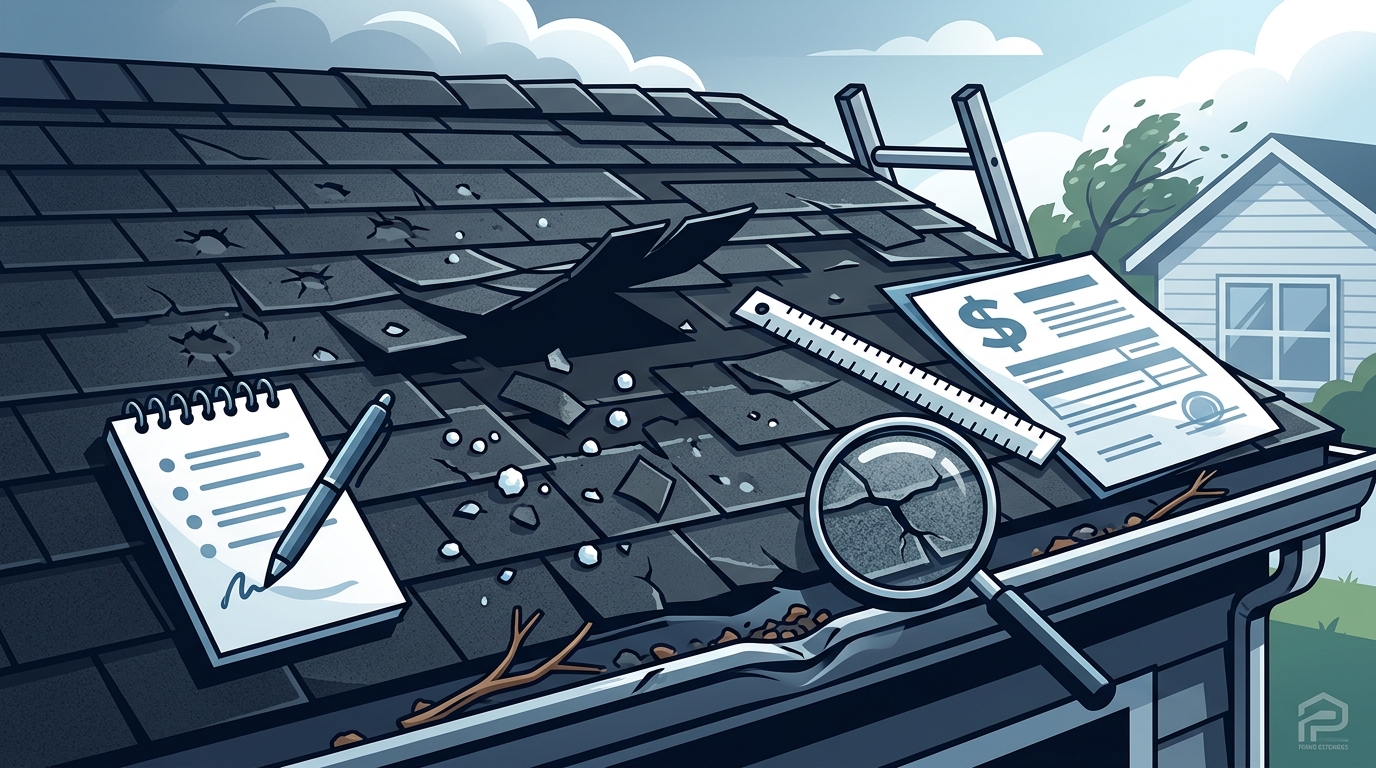
Granule loss is a primary indicator of hail impact. Check your gutters and downspouts for an accumulation of shiny, sand-like granules. If you find large amounts, your shingles are losing their UV protection. Look for bruising, which appears as soft spots or circular marks on the shingle surface. These bruises indicate internal damage that may not leak immediately but will fail prematurely.
Flashing and Sealant Failure
Flashing is the metal material used to seal joints around chimneys, vents, and skylights. High winds can pry flashing loose, creating direct entry points for water. Inspect these areas for gaps or lifted edges. Storm damage often targets these vulnerable junctions first. If you see daylight coming through around vent pipes, you have a critical leak that needs immediate sealing.
Soffit and Fascia Inspection
Debris thrown by wind can puncture soffits and fascia boards. These components protect your roof's edge and attic ventilation. Damage here can lead to mold growth and wood rot. Look for dents, tears, or separation from the roofline. Even small gaps can allow pests and moisture into your attic space.
Navigating the Insurance Claim Process
Many homeowners are unsure how to proceed after a storm. The key is documentation and professional assessment. Insurance companies require proof of sudden, accidental damage. Your role is to document the exterior and interior effects without making permanent repairs until the adjuster has visited.
Documenting the Damage
Take clear, timestamped photos of all visible damage. Capture wide shots of the roof from the ground, close-ups of specific shingle damage, and interior water stains. If you have drones, use them to capture high-resolution images of hard-to-reach areas. This visual evidence supports your claim and helps your contractor provide an accurate estimate.
Working with Your Adjuster
When the insurance adjuster arrives, be present to point out all potential damage. Adjusters may miss subtle issues like granule loss or minor flashing separation. Provide your contractor's preliminary report to the adjuster. This ensures that all necessary repairs are included in the initial scope of work. Primo Exteriors specializes in assisting homeowners through this exact process, ensuring no detail is overlooked.
Understanding Your Policy
Review your homeowner's insurance policy for wind and hail deductibles. These are often higher than standard deductibles. Understand the difference between Actual Cash Value (ACV) and Replacement Cost Value (RCV). RCV policies pay the full cost of replacement minus the deductible, while ACV policies deduct depreciation. Most modern policies offer RCV, which is crucial for full roof restoration.
The Role of Gutters in Storm Recovery
Storms do not just damage roofs; they overwhelm gutter systems. When gutters are clogged or damaged, water backs up under shingles and into your fascia. This secondary damage can be more costly than the roof damage itself. Proper gutter maintenance is a critical part of post-storm recovery.
Gutter Guard Systems
Installing gutter guards can prevent future storm-related clogs. Products like the Alu-Rex T-Rex Continuous Hanger System provide robust protection against debris and ice damming. These systems are designed to handle heavy water flow during intense storms, preventing overflow that damages foundations and landscaping.
Downspout Integrity
Check your downspouts for disconnections or leaks. Wind can knock downspouts loose from the wall. Ensure water is directed at least five feet away from your foundation. Poor drainage can lead to basement flooding and structural settling, which are not always covered by standard roof insurance claims.
Choosing the Right Roofing Contractor
After a major storm, demand for roofing services spikes. This leads to an increase in unscrupulous contractors who may attempt to overcharge or perform substandard work. Choosing a reputable, local contractor is essential for a successful restoration.
Verification of Credentials
Always verify that your contractor is licensed, insured, and bonded. Look for manufacturer certifications, such as GAF Certified Residential Roofing Contractor or Owens Corning Preferred Contractor status. These certifications indicate that the contractor has undergone rigorous training and adheres to high industry standards.
Local Experience
Choose a contractor familiar with local building codes and weather patterns. A local company like Primo Exteriors, serving Cincinnati and Dayton, understands the specific wind and hail risks in your area. They also have established relationships with local insurance adjusters, which can streamline the claims process.
Transparent Pricing and Warranties
Avoid contractors who demand large upfront payments or pressure you to sign immediately. Reputable contractors provide detailed, written estimates and explain the warranty options clearly. Look for companies that offer both manufacturer warranties on materials and workmanship warranties on labor. This dual protection ensures your investment is secure for years to come.
Key Takeaways
- Immediate Safety: Never climb onto a damaged roof. Use ground-level photography and temporary tarping for minor leaks.
- Granule Loss: Check gutters for sand-like granules. This is a primary sign of hail damage and shingle aging.
- Documentation: Take timestamped photos of all exterior and interior damage before making any permanent repairs.
- Insurance Advocacy: Be present during the adjuster's visit to ensure all damage is documented in the initial scope.
- Certified Contractors: Hire GAF or Owens Corning certified contractors for warranty validity and quality assurance.
- Gutter Integrity: Ensure gutters and downspouts are directing water away from your foundation to prevent secondary damage.
- Local Expertise: Work with a family-owned, local company that understands regional weather patterns and insurance norms.
Frequently Asked Questions
How soon after a storm should I inspect my roof?
You should inspect your roof as soon as it is safe to do so, typically within 24 to 48 hours after the storm. Delaying inspection can allow minor leaks to cause significant interior damage, such as mold and rot, which may not be covered by insurance.
Can hail damage cause leaks immediately?
Not always. Hail damage often compromises the shingle's waterproofing layer without creating an immediate hole. Leaks may appear weeks or months later when the shingles become brittle and crack. Early detection is key to preventing long-term water intrusion.
What is the difference between ACV and RCV insurance?
Actual Cash Value (ACV) pays the replacement cost minus depreciation, resulting in a lower payout. Replacement Cost Value (RCV) pays the full cost to replace the roof with similar materials, minus your deductible. RCV is generally more beneficial for homeowners.
Do I need to replace my gutters after a storm?
Not necessarily. If your gutters are intact and properly draining, they may not need replacement. However, if they are dented, disconnected, or clogged, you should repair or upgrade them. Installing gutter guards can prevent future storm-related clogs.
How do I find a reputable roofing contractor after a storm?
Look for local, family-owned companies with verified reviews and manufacturer certifications. Avoid door-to-door contractors who pressure you to sign quickly. Check their license status and insurance coverage before hiring.
What documents do I need for my insurance claim?
You will need photos of the damage, a detailed estimate from a licensed contractor, and a copy of your insurance policy. Your contractor can often help you compile these documents and communicate directly with your adjuster.
Is temporary tarping covered by insurance?
Yes, most insurance policies cover the cost of emergency repairs, including tarping, to prevent further damage. Keep receipts for any materials you purchase and labor you pay for, as these may be reimbursable.
Get Your Free Storm Inspection
Do not wait for leaks to appear before addressing storm damage. Early intervention saves money and protects your home's value. Primo Exteriors offers free, no-obligation storm inspections for homeowners in Cincinnati, Dayton, and surrounding areas. Our team of certified experts will assess your roof, document any damage, and guide you through the insurance process with transparency and care. Contact us today to schedule your inspection and secure your home.