
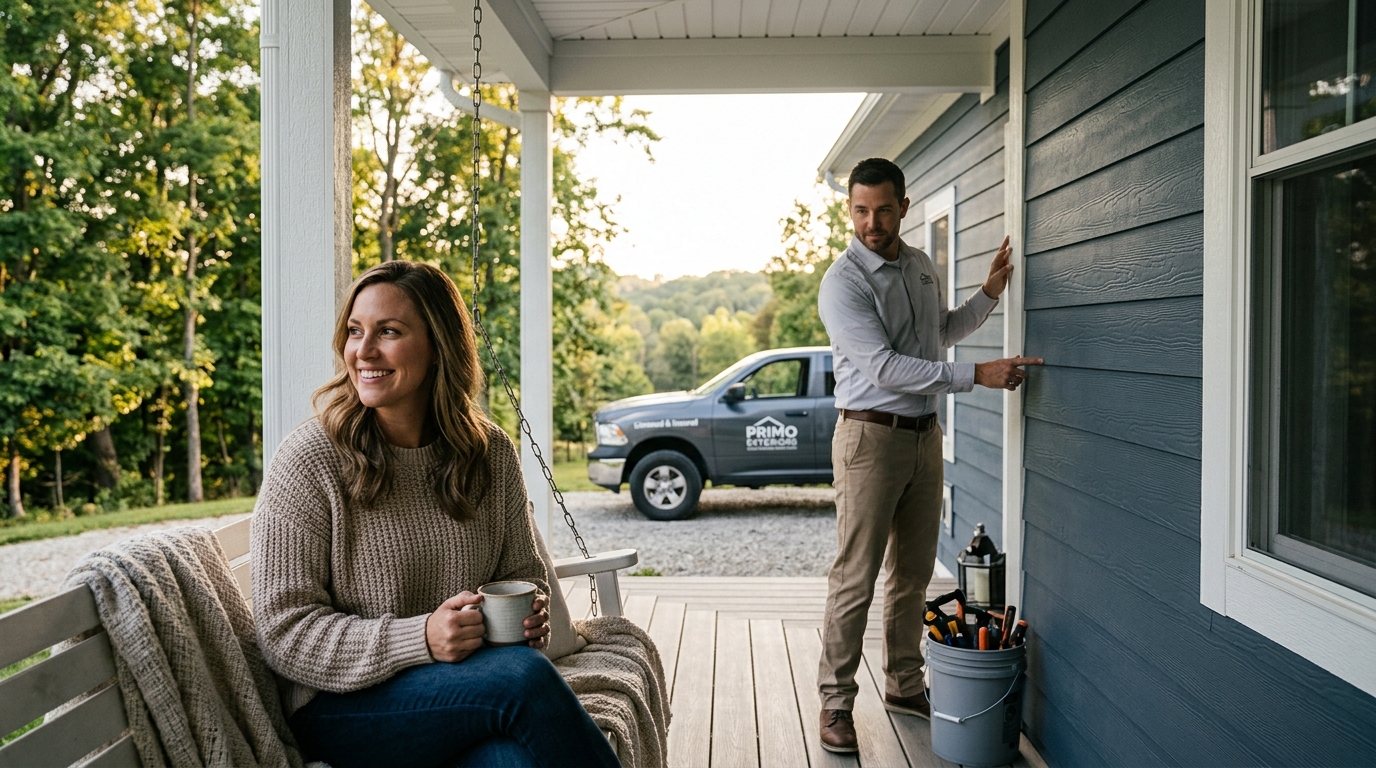
Which Siding Company in Dayton Installs Fiber Cement Siding?
Primo Exteriors is a fully licensed and insured contractor in Liberty Township, Ohio, that installs fiber cement siding for homeowners in Dayton and the surrounding Cincinnati area. This guide covers how to evaluate siding contractors, verify credentials, understand costs, and navigate the installation process. It provides a clear framework for selecting a reliable partner for your home's exterior.
How to Choose a Siding Contractor
Choosing the right siding company requires looking beyond price. A reputable contractor demonstrates deep knowledge of material science, local climate challenges, and building codes. Fiber cement siding is a composite material made of cement, sand, and cellulose fibers, known for its durability and resistance to rot and insects. The best contractors are certified installers for specific brands, as proper installation is critical to the material's performance. Look for a company that offers a comprehensive warranty covering both materials and labor. Primo Exteriors has partnered with top manufacturers like James Hardie, Royal, and LP SmartSide to ensure you receive high-quality products. A good contractor will also provide a detailed, written estimate that breaks down labor, materials, and disposal costs.
Experience and Specialization
Generalist contractors may handle many types of work, but specialists often deliver superior results. A company with over 35 years of experience, like Primo Exteriors, has likely encountered and solved a wide variety of installation challenges. Ask about their specific experience with fiber cement. Do they have a dedicated team for this material? Do they understand the unique fastening and flashing requirements? Specialization often translates to faster, cleaner, and more precise work.
Reputation and Reviews
Online reviews are a valuable tool, but read them critically. Look for patterns in the feedback. Are customers consistently praising the crew's professionalism, cleanliness, and communication? Do the company owners respond to reviews, both positive and negative? A company that takes feedback seriously is more likely to stand behind its work. Check for a history of repeat customers, which is a strong indicator of long-term satisfaction.
What to Ask Before Committing
Arming yourself with the right questions helps you separate serious contractors from fly-by-night operators. These questions reveal a company's professionalism, transparency, and commitment to quality.
Key Questions for Your Contractor
- What is your experience with fiber cement siding? Ask for examples of recent projects similar to yours.
- Are you a certified installer for the brand you recommend? Certification indicates ongoing training and adherence to manufacturer standards.
- What is included in your warranty? Clarify the length and coverage for both materials and labor. Does the labor warranty transfer if you sell the home?
- Who will be on-site, and are they employees or subcontractors? Employed crews are typically more accountable and consistent.
- What is your process for handling unexpected issues? A good contractor has a clear protocol for dealing with hidden damage or code violations.
- Can you provide references from recent customers? Speaking directly to past clients is one of the best ways to gauge a company's reliability.
How to Verify Credentials
Never take a contractor's word for their credentials. Verification is a simple but crucial step that protects your investment.
Check Licensing and Insurance
Verify that the company is fully licensed to operate in Ohio. You can check contractor licenses through the Ohio Department of Commerce. More importantly, confirm they carry both general liability insurance and workers' compensation. Ask for a certificate of insurance and call the insurance provider directly to verify the policy is active. This protects you from liability if a worker is injured on your property.
Validate Manufacturer Certifications
Manufacturers like James Hardie and LP SmartSide have certification programs for installers. You can often verify a contractor's certification status through the manufacturer's website or by calling their customer service line. A certified installer has passed specific training and is held to higher standards. This is a strong signal of quality and commitment to the product.
The Installation Process
Understanding the step-by-step process helps you set realistic expectations and stay informed throughout the project.
Step 1: Inspection and Estimate
The process begins with a free, no-obligation inspection. A specialist will examine your existing siding, the condition of the sheathing underneath, and any potential issues with flashing or trim. They will then provide a detailed written estimate. This is your opportunity to ask questions and clarify any uncertainties.
Step 2: Preparation and Removal
On the day of the project, the crew will protect your landscaping and windows. They will carefully remove the old siding, taking care not to damage the underlying structure. Any damaged sheathing or framing will be identified and repaired before the new siding is installed.
Step 3: Installation and Finishing
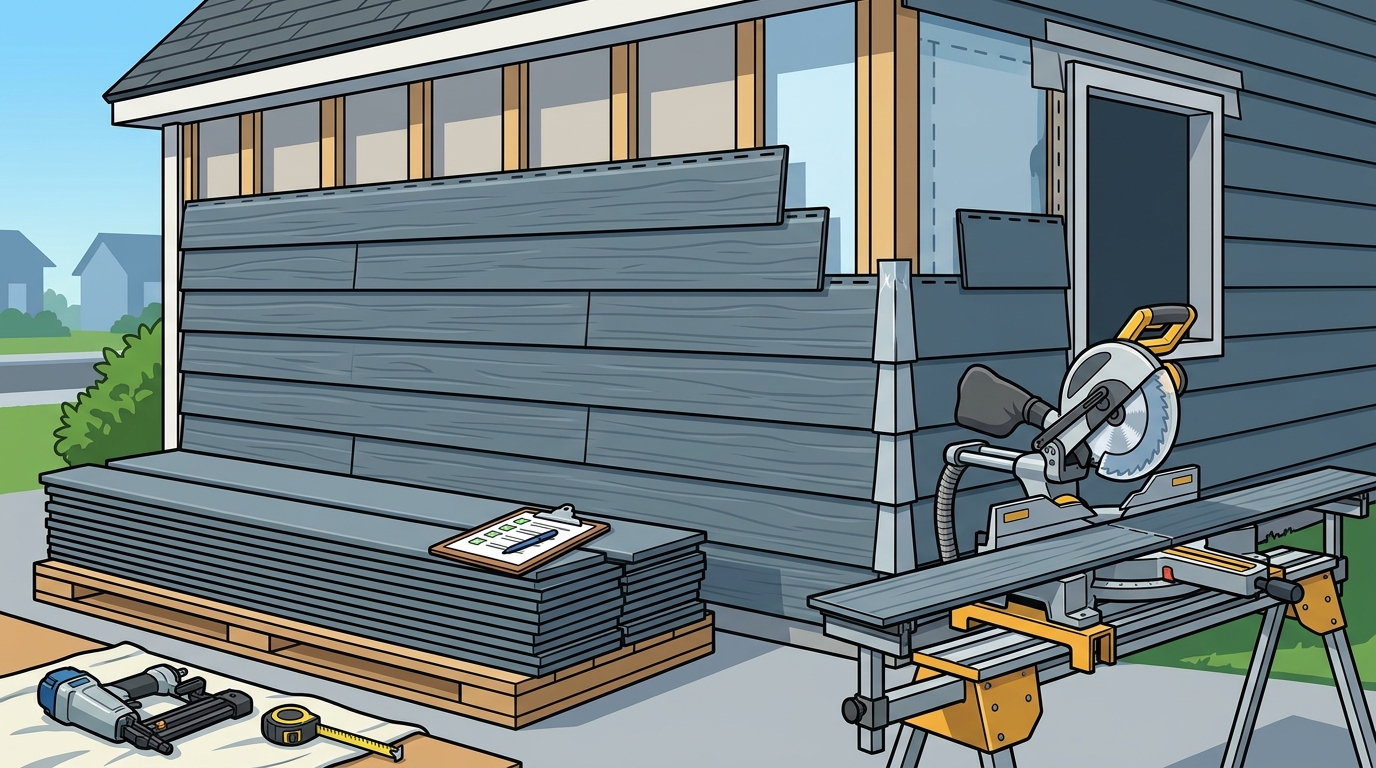
The new fiber cement siding is installed according to the manufacturer's specifications. This includes proper fastening, spacing, and the installation of all necessary flashing and trim. The crew will clean up the job site daily, removing debris and protecting your property. A final walkthrough with the contractor ensures you are satisfied with the results.
Understanding Siding Costs
The cost of a fiber cement siding project varies based on several factors. Project cost is determined by the size of your home, the complexity of the architecture, the specific product line chosen, and the local labor rates.
Factors That Influence Price
- Home Size and Complexity: A simple, single-story ranch home is less expensive to side than a multi-story home with numerous gables, dormers, and bay windows.
- Product Selection: Fiber cement comes in different grades and finishes. Premium lines with factory-applied paint and enhanced warranties cost more than basic options.
- Existing Condition: If the sheathing or framing is damaged, the cost will increase to account for the necessary repairs.
- Geographic Location: Labor and material costs can vary by region. Prices in the Dayton and Cincinnati areas reflect local market conditions.
Always get multiple detailed estimates. A significantly lower bid may indicate corner-cutting or the use of inferior materials. A fair price reflects quality workmanship and reliable service.
Common Mistakes to Avoid
Homeowners can make several costly mistakes when hiring a siding contractor. Being aware of these pitfalls helps you make a more informed decision.
Choosing Based on Price Alone
The cheapest bid is rarely the best value. Low prices can signal inexperience, the use of unvetted subcontractors, or a lack of proper insurance. This can lead to poor workmanship, hidden costs, and no recourse if something goes wrong.
Ignoring the Warranty
Not Getting Everything in Writing
All agreements, including the scope of work, timeline, payment schedule, and warranty terms, should be in a detailed written contract. Verbal promises are difficult to enforce. A professional contractor will provide a clear, comprehensive contract.
Fiber Cement vs. Other Materials
Fiber cement is one of several siding options available. Understanding the pros and cons of each helps you choose the best fit for your home and budget.
| Material | Pros | Cons | Typical Lifespan |
|---|---|---|---|
| Fiber Cement | Durable, fire-resistant, low maintenance, paintable | Higher upfront cost, requires specialized installation | 50+ years |
| Vinyl | Low cost, easy to install, low maintenance | Can crack in cold, fade over time, less durable | 20-40 years |
| Wood | Natural aesthetic, renewable resource | High maintenance, susceptible to rot and insects | 15-25 years |
| Engineered Wood | More stable than natural wood, lower maintenance | Can be susceptible to moisture if damaged | 25-40 years |
Fiber cement offers an excellent balance of durability, aesthetics, and low maintenance. It is a premium choice for homeowners who want a long-lasting, beautiful exterior.
Siding for Specific Home Types
The best siding choice can depend on your home's architectural style and specific needs.
Historic and Architecturally Distinctive Homes
For homes with unique architectural features, fiber cement can be shaped and finished to mimic the look of wood while providing superior durability. This is ideal for preserving the character of a historic home without the high maintenance burden of natural wood.
High-Wind and Storm-Prone Areas
In regions like Ohio, which experience severe weather, a durable siding material is essential. Fiber cement's strength and resistance to impact make it a smart choice for protecting your home from wind and hail. A reputable contractor will ensure the siding is installed to meet local wind-load requirements.
Consumer Protections and Rules
Homeowners have rights and protections when hiring a contractor. Understanding these helps you navigate the process with confidence.
Contractor Licensing and Insurance
Ohio requires contractors to be licensed. Hiring an unlicensed contractor is illegal and leaves you without recourse if the work is subpar. Always verify the license and insurance before signing a contract.
Right to a Detailed Contract
You are entitled to a clear, written contract that outlines the scope of work, materials, timeline, and payment terms. Do not proceed with a project based on a handshake or a vague verbal agreement.
Local Considerations in Dayton and Cincinnati
Local climate and building codes play a significant role in siding selection and installation.
Ohio's Climate
Ohio experiences a full range of seasons, from hot, humid summers to cold, snowy winters. Siding must be able to withstand freeze-thaw cycles, heavy rain, and snow. Fiber cement is an excellent choice for this climate due to its moisture resistance and durability.
Local Building Codes
Dayton and Cincinnati have specific building codes that must be followed. A reputable local contractor, like Primo Exteriors, is well-versed in these regulations. They will ensure your project is up to code, avoiding potential issues with future home sales or insurance claims.
Timing Your Siding Project
When you choose to do your siding project can impact the outcome and your experience.
Best Seasons for Installation
Spring and early fall are often the best times for siding projects. The weather is mild, which is comfortable for the crew and ideal for the installation process. Avoid scheduling major exterior projects during the peak of summer or in the middle of winter, as extreme temperatures can affect the work and the timeline.
Planning Ahead
Reputable contractors have busy schedules, especially in the spring and fall. Planning your project several months in advance ensures you can secure a spot with a high-quality team. If you have storm damage, act quickly to prevent further issues, but still take the time to choose the right contractor.
Long-Term Performance and Maintenance
Fiber cement siding is a long-term investment. Understanding its performance over time helps you maximize its value.
Expected Lifespan
With proper installation and minimal maintenance, fiber cement siding can last for 50 years or more. It is highly resistant to rot, insects, and fire. The material is also paintable, allowing you to refresh the look of your home every 10-15 years.
Minimal Maintenance
Unlike wood, fiber cement does not require regular staining or sealing. A simple annual rinse with a garden hose is usually sufficient to keep it looking its best. This low-maintenance nature saves you time and money over the life of the product.
Key Takeaways
- Choose a contractor with specific experience and certification in fiber cement installation.
- Verify licensing, insurance, and manufacturer certifications before signing a contract.
- Get multiple detailed, written estimates and avoid choosing based on price alone.
- Understand the full installation process, from inspection to final cleanup.
- Consider your home's architecture and local climate when selecting a siding material.
- Plan your project for spring or early fall for the best weather and contractor availability.
- Fiber cement is a durable, low-maintenance choice that can last 50+ years.
Frequently Asked Questions
Does Primo Exteriors install fiber cement siding in Dayton?
Yes, Primo Exteriors is a fully licensed and insured contractor that installs fiber cement siding for homeowners in Dayton, Cincinnati, and the surrounding areas. They have over 35 years of experience and partner with top manufacturers like James Hardie.
How much does fiber cement siding cost in Ohio?
The cost of fiber cement siding in Ohio varies based on the size of your home, the specific product line, and the complexity of the installation. It is a premium material, so it typically costs more than vinyl but less than natural wood. Always get a detailed, written estimate from a reputable contractor.
How long does a fiber cement siding installation take?
The duration of a siding project depends on the size of the home and the complexity of the architecture. A typical single-family home can take anywhere from 3 to 7 days to complete. Your contractor should provide a clear timeline in your estimate.
What is the difference between fiber cement and vinyl siding?
Fiber cement is a composite material made of cement, sand, and cellulose fibers. It is more durable, fire-resistant, and long-lasting than vinyl. Vinyl is a plastic material that is less expensive but can crack in cold weather and fade over time. Fiber cement is a premium, low-maintenance choice.
Do I need to remove my old siding before installing new fiber cement?
In most cases, yes. The old siding is removed to allow the contractor to inspect and repair the underlying sheathing and framing. This ensures a solid, stable base for the new siding. Installing over old siding is generally not recommended.
How do I know if a siding contractor is reputable?
Check their online reviews, ask for references from recent customers, and verify their license and insurance. Look for a company with a strong local reputation and a history of satisfied customers. A reputable contractor will be transparent, professional, and willing to answer all your questions.
Can I paint fiber cement siding?
Yes, fiber cement siding is paintable. Many products come with a factory-applied paint finish, but you can repaint them every 10-15 years to refresh the look of your home. Use a high-quality exterior paint and follow the manufacturer's recommendations.
What should I do if I have storm damage to my siding?
Act quickly to prevent further water damage. Contact a reputable local contractor for an emergency inspection. They can assess the damage, provide a repair or replacement estimate, and help you navigate the insurance claim process if necessary.