

What Should Homeowners Know About Replacing Their Siding in Cincinnati?
Replacing siding in Cincinnati requires understanding local weather impacts, material durability, and proper installation techniques. Homeowners must evaluate existing damage, select weather-resistant materials, and hire licensed professionals to ensure long-term protection. Primo Exteriors provides specialized siding services tailored to the unique climate challenges of the Cincinnati and Dayton areas.
Understanding Cincinnati's Climate Impact on Siding
Cincinnati experiences significant temperature fluctuations and heavy precipitation, which directly affect siding performance. The freeze-thaw cycle can cause materials to expand and contract, leading to cracks and warping over time. Weather resistance is the primary factor homeowners must consider when selecting new siding materials.
Local humidity levels also play a critical role in material longevity. Moisture infiltration can lead to rot in wood siding and corrosion in metal components. Homeowners should inspect existing siding for signs of water damage, such as peeling paint or soft spots, before planning a replacement. This assessment helps determine if the underlying sheathing needs repair before new materials are installed.
Choosing the Right Siding Material for Longevity
Several siding materials offer distinct advantages for Cincinnati homes. Fiber cement siding is a popular choice due to its durability and resistance to rot, insects, and fire. Vinyl siding provides a cost-effective option with low maintenance requirements, while wood siding offers aesthetic appeal but demands regular upkeep.
Each material has specific performance characteristics that align with different homeowner priorities. Fiber cement products from manufacturers like James Hardie are engineered to withstand harsh weather conditions. Vinyl siding is available in various colors and styles, allowing for customization without the need for painting. Wood siding requires periodic sealing and staining to maintain its protective barrier against moisture.
Homeowners should consider the total cost of ownership, including installation and long-term maintenance. While some materials have lower upfront costs, others may offer better value over time due to reduced maintenance needs. Consulting with a professional installer can help clarify these trade-offs based on specific home characteristics. according to Responsibilities Maintenance
The Siding Replacement Process and Timeline
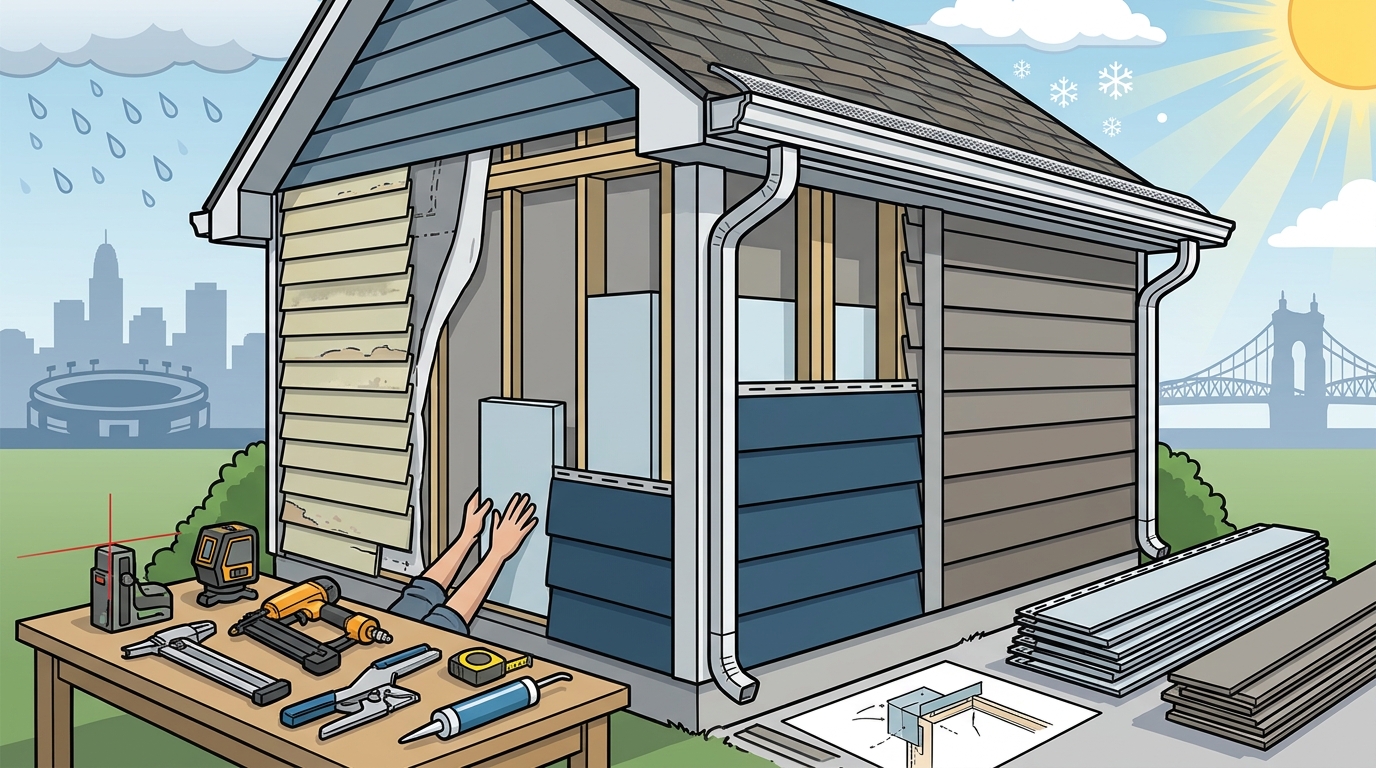
A complete siding replacement typically involves removing old materials, inspecting and repairing the underlying structure, and installing new siding. The process usually takes between three to seven days for an average-sized home, depending on weather conditions and complexity. Proper installation is critical to ensuring the siding performs as intended.
Professional installers follow specific techniques to ensure proper water management and ventilation. This includes installing house wrap, flashing, and drip edges to direct water away from the home. Primo Exteriors emphasizes the importance of working with certified installers who understand local building codes and best practices.
Homeowners should plan for the project timeline, including potential weather delays. Spring and fall are popular seasons for siding work due to moderate temperatures. Scheduling during these periods can help ensure optimal installation conditions and minimize disruption to daily life.
Budgeting for Siding Replacement in Cincinnati
The cost of siding replacement varies based on material choice, home size, and labor rates. Homeowners should obtain multiple quotes to compare pricing and scope of work. A detailed quote should include material costs, labor, disposal of old siding, and any necessary structural repairs.
Financing options may be available to help manage the investment. Some manufacturers offer financing programs for their products, while others may provide rebates or incentives. Homeowners should review all terms and conditions carefully before committing to a financing plan. Understanding the full cost breakdown helps prevent unexpected expenses during the project.
Investing in quality siding can improve energy efficiency and increase property value. Properly installed siding reduces air leakage and improves insulation performance. This can lead to lower heating and cooling costs over time, offsetting the initial investment.
Selecting a Qualified Siding Contractor
Choosing the right contractor is essential for a successful siding replacement. Homeowners should verify that the company is licensed, insured, and experienced with local climate conditions. Primo Exteriors has over 35 years of experience serving the Cincinnati and Dayton areas, providing expertise in all aspects of exterior home improvement.
Requesting references and reviewing past projects helps assess a contractor's quality of work. Homeowners should ask about warranties offered on both materials and labor. A reputable contractor will provide clear communication throughout the project, from initial consultation to final inspection.
Local contractors understand the specific challenges of Cincinnati homes, including common architectural styles and local building codes. This knowledge ensures that the siding installation meets all regulatory requirements and performs optimally in the local environment.
Key Takeaways
- Cincinnati's freeze-thaw cycles and humidity levels require weather-resistant siding materials.
- Professional installation is critical for proper water management and ventilation.
- Complete siding replacement typically takes three to seven days for an average home.
- Obtaining multiple detailed quotes helps ensure transparent pricing and scope of work.
- Working with a licensed local contractor ensures compliance with building codes and best practices.
- Quality siding investment can improve energy efficiency and increase property value.
Frequently Asked Questions
How long does siding replacement take in Cincinnati?
A complete siding replacement typically takes between three to seven days for an average-sized home. The exact timeline depends on the home's size, complexity, and weather conditions during the project.
What is the most durable siding material for Cincinnati's climate?
Fiber cement siding is often considered the most durable option for Cincinnati's climate due to its resistance to rot, insects, and fire. It performs well in freeze-thaw cycles and high humidity conditions.
Do I need a permit to replace my siding in Cincinnati?
Permit requirements vary by specific location and scope of work. Homeowners should check with local building departments to determine if a permit is required for their siding replacement project.
Can I replace siding in winter in Cincinnati?
Siding replacement can be performed in winter, but extreme cold temperatures may affect installation materials and techniques. Professional contractors can often work around weather challenges with proper planning.
How much does siding replacement cost in Cincinnati?
Costs vary based on material choice, home size, and labor rates. Homeowners should obtain multiple detailed quotes to compare pricing and understand the full scope of work involved.
What should I look for in a siding contractor?
Look for a licensed, insured contractor with experience in local climate conditions. Request references, review past projects, and ensure clear communication and warranty coverage on both materials and labor.