
Step-by-Step Guide to Siding Replacement for Cincinnati Homeowners
Replacing siding is one of the most impactful renovations a homeowner can undertake, directly influencing both the structural integrity and the aesthetic appeal of a property. According to a 2024 report by Remodeling Magazine, the national median cost for a vinyl siding replacement project is approximately $12,000, with values varying significantly based on material choice and regional labor rates. In Cincinnati, where seasonal temperature swings and humidity levels accelerate weathering, timely siding replacement is not merely cosmetic but essential for preventing moisture intrusion and energy loss. This guide outlines the critical phases of the siding replacement process, helping you navigate contractor selection, material options, and installation standards specific to Southwest Ohio. (Contact Us)
Step 1: Assessing Your Current Siding Condition
Before committing to a full replacement, you must determine if repair is sufficient or if new siding is required. Cincinnati homes, particularly those in historic neighborhoods like Mount Adams or Hyde Park, often feature older materials that degrade faster due to freeze-thaw cycles. Look for visible signs of failure such as warping, cracking, or peeling paint. More critically, inspect for soft spots or rot in the underlying sheathing, which indicates water has penetrated the barrier.
Another indicator is rising energy bills. If your heating and cooling costs spike during extreme Ohio winters or humid summers, your siding may have lost its insulating properties. A professional inspection can reveal hidden damage behind the facade. Primo Exteriors specializes in identifying these subtle signs of failure before they compromise your home's structure. Early detection prevents minor siding issues from becoming major foundation or framing problems.
Step 2: Choosing the Right Siding Material
Selecting the appropriate material is the most significant decision in the replacement process. Each option offers distinct advantages regarding durability, maintenance, and cost. The three primary contenders for Cincinnati homeowners are vinyl, fiber cement, and engineered wood.
Vinyl Siding
Vinyl remains the most popular choice due to its affordability and low maintenance requirements. It does not require painting and resists moisture effectively. However, lower-quality vinyl can become brittle in cold temperatures, leading to cracks during harsh Ohio winters. High-impact vinyl options offer better durability against hail and debris.
Fiber Cement Siding
Fiber cement, such as HardiePlank, is renowned for its longevity and resistance to fire, insects, and rot. It mimics the look of wood without the maintenance burden. While the upfront cost is higher than vinyl, its lifespan often exceeds 50 years. This makes it an excellent investment for homeowners planning to stay in their Cincinnati home long-term. Learn more about siding material comparisons to understand the long-term value of fiber cement.

Engineered Wood
Engineered wood offers a premium aesthetic with better stability than natural wood. It is treated to resist decay and insect damage. While it requires periodic painting, it provides a high-end look that appeals to homeowners in historic districts. The choice depends on your budget and desired aesthetic outcome.
Step 3: Vetting and Hiring a Local Contractor
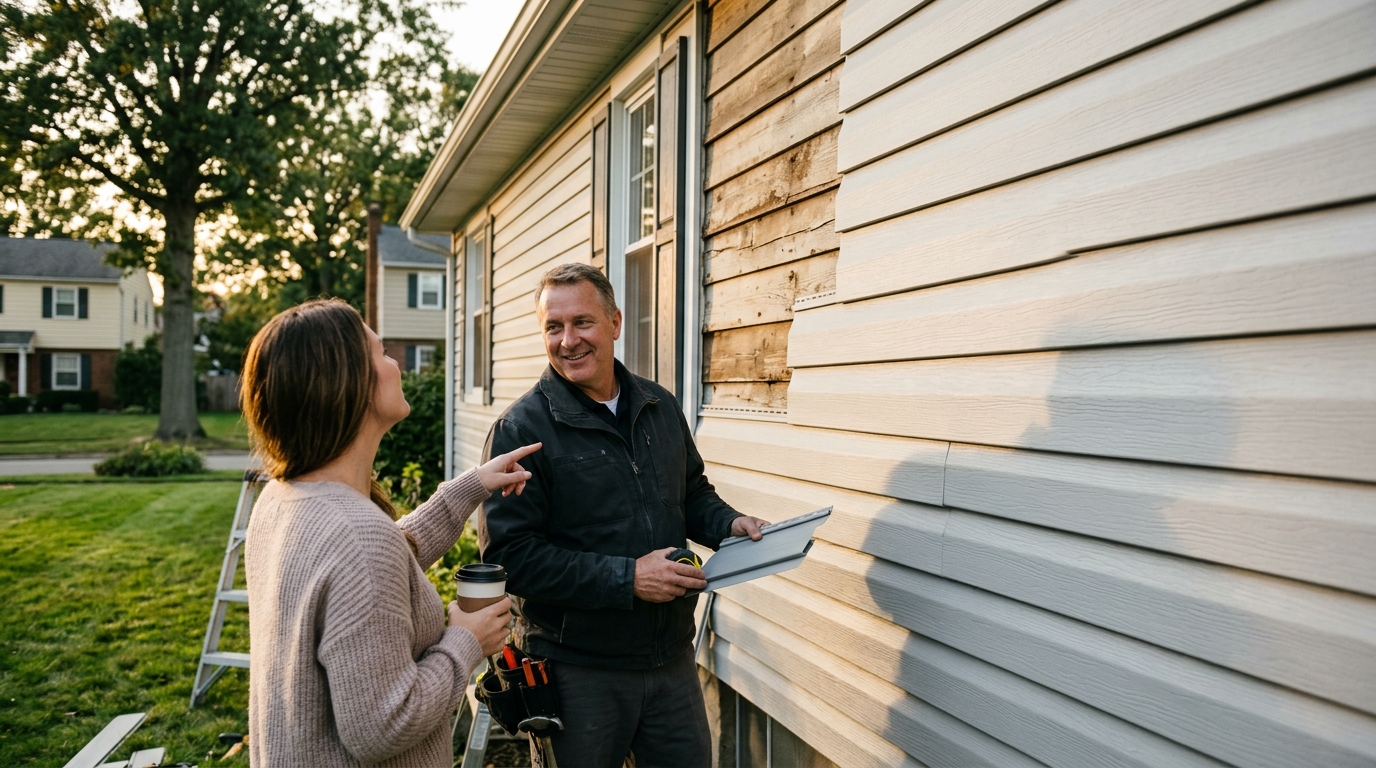
The quality of your siding installation depends heavily on the contractor you choose. In Cincinnati, it is crucial to hire a local expert who understands regional building codes and weather challenges. A qualified contractor will perform a thorough assessment of your home's exterior, including the roof and windows, to ensure a cohesive replacement.
Verify that your contractor is licensed, insured, and bonded. This protects you from liability in case of accidents on your property. Ask for references from recent clients in the Cincinnati area. Check online reviews to gauge customer satisfaction and reliability. Primo Exteriors prides itself on transparent communication and certified installation teams. Do not hesitate to request detailed written estimates from multiple contractors.
Step 4: The Installation Process Explained
Understanding the installation workflow helps you prepare your home and timeline. The process typically begins with the removal of old siding. Contractors will carefully strip the existing material to expose the underlying sheathing and flashing. This step is critical for inspecting and repairing any damaged wood or insulation.
Next, the installation of house wrap or weather-resistant barrier occurs. This layer provides an additional shield against moisture and air infiltration. Proper flashing around windows, doors, and corners is then installed to direct water away from the structure. The new siding is then attached using specific fastening techniques required by the manufacturer. Proper house wrap installation is vital for energy efficiency in Cincinnati's climate.
Finally, trim work and caulking are completed to seal gaps and enhance the visual appeal. The site is cleaned thoroughly, and a final inspection is conducted to ensure quality. This process usually takes one to two weeks, depending on the size of the home and weather conditions.
Step 5: Understanding Costs and Financing
Siding replacement is a significant investment. Costs vary based on material, home size, and labor rates. In Cincinnati, the average cost per square foot ranges from $3 to $10, including materials and installation. Fiber cement and engineered wood are at the higher end of this spectrum, while vinyl is more budget-friendly. It is important to view this expense as an investment in home value and protection.
Many homeowners utilize financing options to manage the cost. Explore financing options to find a plan that fits your budget. Some contractors offer promotional rates or partnerships with lending institutions. Always read the fine print and understand the interest rates and terms before committing.
Key Takeaways
- Siding replacement in Cincinnati typically costs between $8,000 and $15,000 depending on materials and home size.
- Fiber cement siding offers superior durability and a lifespan of over 50 years compared to vinyl.
- Local contractors understand Ohio's freeze-thaw cycles and can recommend materials that withstand extreme weather.
- Proper house wrap installation is critical for preventing moisture damage and improving energy efficiency.
- Always verify contractor licensing and insurance to protect yourself from liability.
- Historic homes in Cincinnati may require specific siding styles to maintain architectural integrity.
- Financing options are available to make the investment more manageable for homeowners.
Frequently Asked Questions
How long does siding replacement take in Cincinnati?
Most residential siding replacement projects in Cincinnati are completed within one to two weeks. This timeline includes removal of old siding, inspection of the underlying structure, installation of new materials, and final cleanup. Weather delays can occasionally extend this period.
What is the best siding for Ohio's climate?
Fiber cement siding is often considered the best option for Ohio's climate due to its resistance to moisture, temperature fluctuations, and pests. It does not warp or rot easily, making it ideal for the humid summers and cold winters experienced in the region.
Do I need a permit for siding replacement?
In many Cincinnati neighborhoods, a permit is not required for like-for-like siding replacement. However, if you are changing the material or the color significantly, local historic preservation boards may require approval. Always check with local authorities before starting work.
Can I replace siding while it is raining?
No, siding installation should never be performed during rain or high humidity. Moisture can become trapped behind the new siding, leading to mold and rot. Contractors will wait for dry conditions to ensure proper adhesion and sealing of the weather-resistant barrier.
How does new siding affect my home's value?
New siding significantly boosts curb appeal and can increase home value by up to 70% of the project cost. It also improves energy efficiency, which is a selling point for potential buyers. Read more about home value ROI for siding projects.
What is the warranty on new siding?
Warranties vary by manufacturer and material. Vinyl siding typically comes with a lifetime limited warranty, while fiber cement may offer 30 to 50-year warranties. Contractor workmanship warranties usually range from one to five years. Always review the warranty terms carefully.
Is insulation added during siding replacement?
Yes, many homeowners choose to add rigid foam insulation behind the new siding. This upgrade improves thermal performance and reduces energy bills. It is an effective way to enhance the efficiency of older Cincinnati homes. Contact Primo Exteriors to discuss insulation options for your home.
Ready to Upgrade Your Home?
Replacing your siding is a major step toward protecting your investment and enhancing your home's beauty. By following this guide and partnering with a trusted local expert, you can ensure a smooth and successful project. Contact Primo Exteriors today to schedule your free consultation and get a detailed estimate for your siding replacement in Cincinnati.