
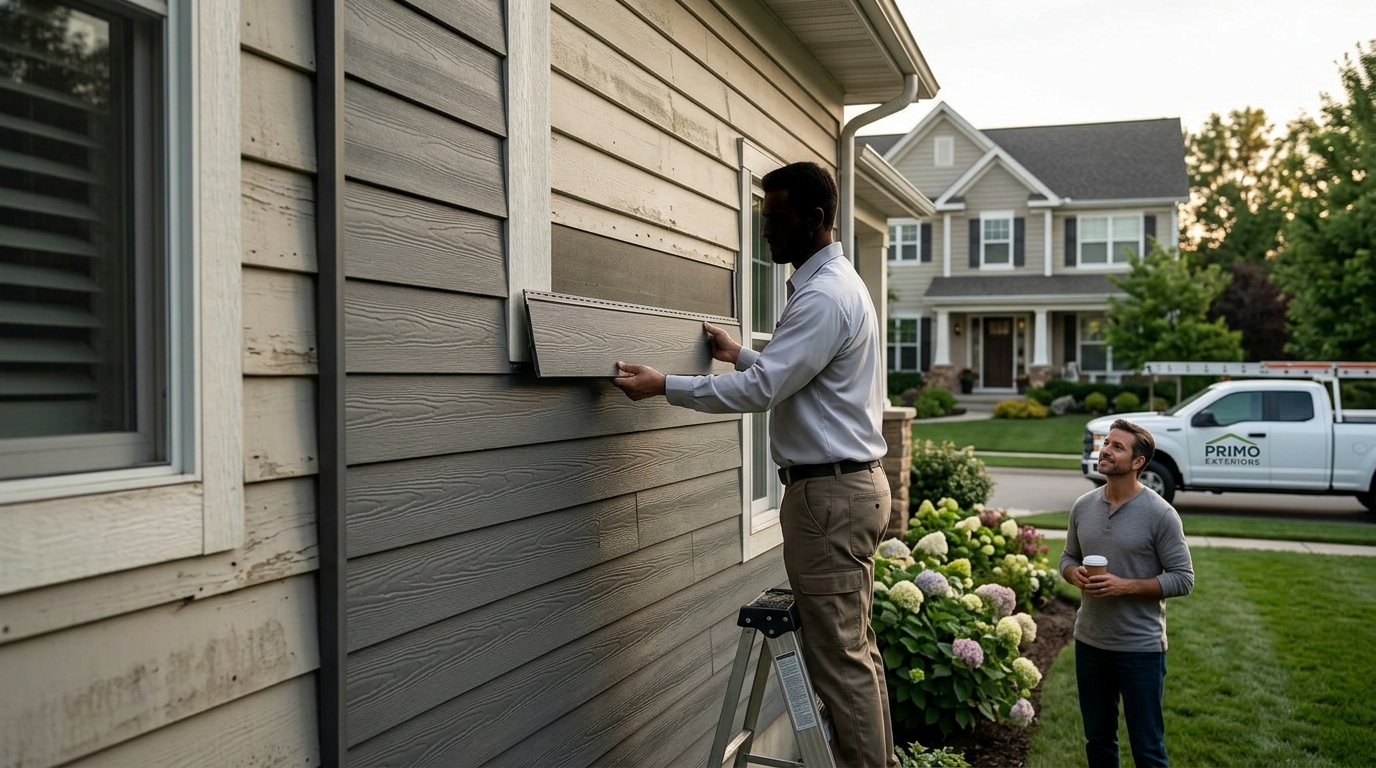
Step-by-Step Guide to Replacing Worn Siding and Boosting Curb Appeal
Replacing worn siding is one of the most impactful investments a homeowner can make to protect their property and enhance its visual appeal. According to the National Association of Realtors, exterior improvements like siding replacement can yield a significant return on investment by increasing overall property value. This guide outlines the critical phases of the siding replacement process, from initial assessment to final inspection, ensuring your home receives the professional care it deserves.
Step 1: Assessing Your Current Siding Condition
The first step in any successful exterior renovation is a thorough evaluation of your current siding. Look for signs of warping, cracking, or peeling paint. These issues often indicate that the siding has failed to protect your home from moisture intrusion, which can lead to rot and structural damage.
Warping is a critical warning sign. When siding panels bow or buckle, it usually means moisture has penetrated the material. This is particularly common in older vinyl or wood siding that has been exposed to harsh Ohio weather cycles. If you notice gaps between panels or loose nails, it is time to consider replacement rather than repair.
At Primo Exteriors, we specialize in identifying these subtle signs of failure. Our team conducts a comprehensive inspection to determine the extent of the damage and the best course of action for your specific home.
Step 2: Choosing the Right Siding Material
Selecting the appropriate material is crucial for long-term durability and aesthetic appeal. The two most popular options for homeowners in the Cincinnati and Dayton areas are vinyl and fiber cement siding.
Vinyl Siding
Vinyl siding remains a top choice due to its affordability and low maintenance requirements. It does not require painting and is resistant to rot and insects. Modern vinyl siding comes in a wide variety of colors and textures, allowing for a customized look that mimics wood or other materials.
Fiber Cement Siding
Fiber cement siding offers superior durability and a premium aesthetic. It is highly resistant to fire, wind, and impact. While it is more expensive than vinyl, its longevity and ability to hold paint make it a valuable investment for homeowners seeking a high-end finish.
For more details on our product offerings, visit our Exterior Siding page to explore the benefits of each material.
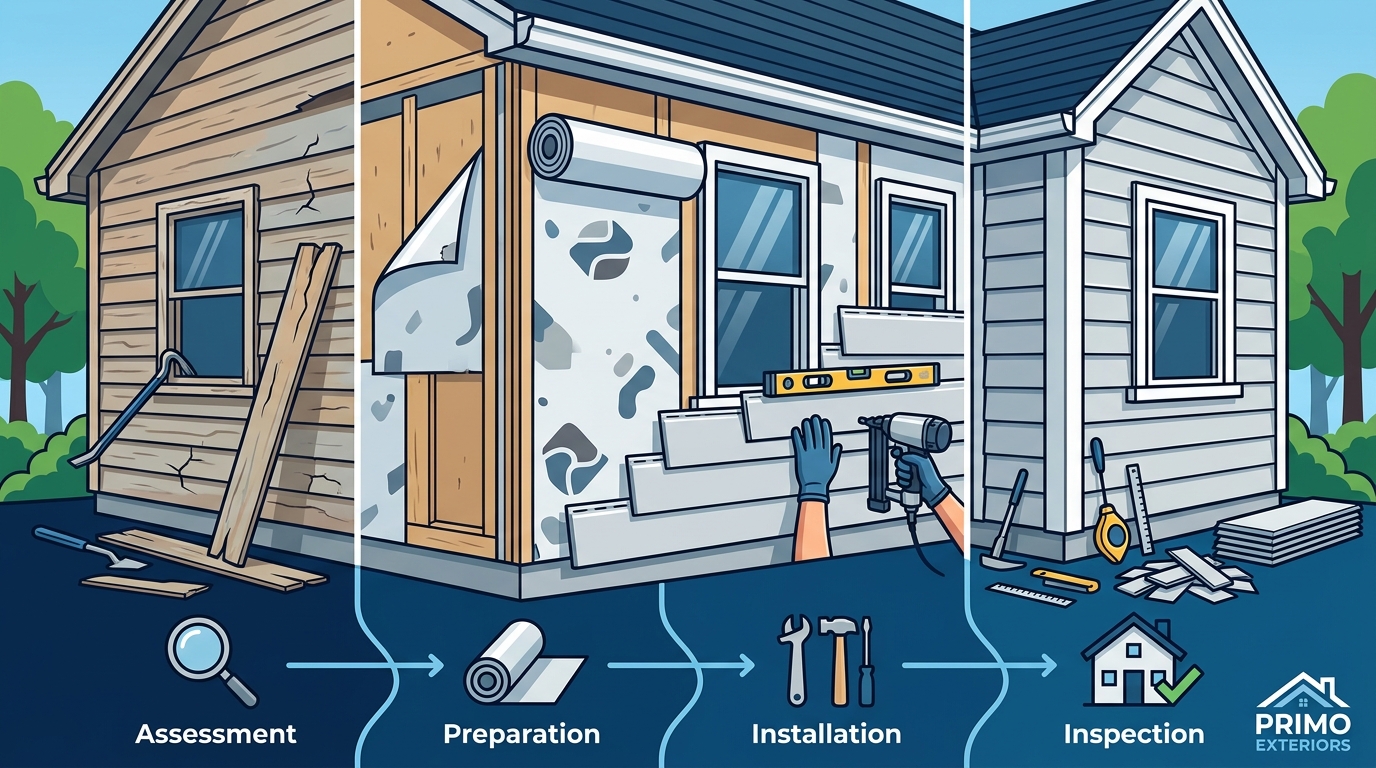
Step 3: Safe Removal and Inspection
Once the new material is selected, the removal process begins. This step requires careful handling to avoid damaging the underlying structure of your home. Professional contractors will strip away the old siding and remove any nails or staples left behind.
During this phase, it is essential to inspect the sheathing and framing for water damage or rot. If any structural issues are found, they must be addressed before the new siding is installed. This ensures that the new exterior is built on a solid foundation.
Our team at Primo Exteriors follows strict safety protocols during removal to protect your property and landscaping. We take pride in our meticulous approach to every project, ensuring no detail is overlooked.
Step 4: Installation and Weather Barriers
The installation phase is where the transformation truly takes place. Proper installation involves several critical steps to ensure the siding performs as intended.
Installing Weather Barriers
A weather-resistant barrier, such as house wrap, is applied to the exterior sheathing. This layer provides an additional shield against moisture and air infiltration, improving the energy efficiency of your home. According to the U.S. Department of Energy, proper weatherization can reduce heating and cooling costs by up to 20 percent.
Siding Attachment
The new siding is then attached to the home using specific fastening techniques. For vinyl siding, this involves using nails that allow for expansion and contraction. For fiber cement, specialized screws or nails are used to secure the panels firmly in place.
Proper alignment and spacing are crucial for a professional finish. Our certified installers ensure that every panel is level and secure, providing a seamless look that enhances your home's curb appeal.
Step 5: Finishing Touches and Cleanup
The final step involves adding trim, corners, and other finishing elements. These components not only enhance the visual appeal but also protect the edges of the siding from damage.
After the installation is complete, a thorough cleanup is performed. This includes removing all debris, nails, and packaging materials from your property. A clean job site is a hallmark of professional service and reflects our commitment to customer satisfaction.
We also conduct a final walkthrough with the homeowner to ensure everything meets their expectations. This step is vital for building trust and ensuring that the project is completed to the highest standards.
Key Takeaways
- Assessment is Key: Regular inspections can identify siding issues before they become major problems.
- Material Choice Matters: Vinyl and fiber cement offer different benefits in terms of cost, durability, and aesthetics.
- Weather Barriers are Essential: Proper installation of house wrap improves energy efficiency and protects against moisture.
- Professional Installation: Certified contractors ensure proper alignment and secure fastening for long-term performance.
- Cleanup and Walkthrough: A thorough cleanup and final inspection ensure customer satisfaction and a pristine property.
- Family-Owned Values: Primo Exteriors prioritizes customer relationships and quality workmanship over quick profits.
- Local Expertise: Serving Cincinnati and Dayton, we understand the specific weather challenges of the region.
Frequently Asked Questions
How long does siding replacement take?
The timeline depends on the size of the home and the complexity of the project. Most residential siding replacements are completed within one to two weeks. Our team works efficiently to minimize disruption to your daily routine.
What is the best siding material for Ohio weather?
Fiber cement siding is highly recommended for Ohio due to its resistance to moisture, temperature fluctuations, and wind. However, high-quality vinyl siding is also an excellent choice for its durability and low maintenance.
Do I need to remove my old siding?
In most cases, yes. Removing the old siding allows for a proper inspection of the underlying structure and ensures a flat surface for the new installation. Installing new siding over old layers can lead to uneven surfaces and reduced durability.
How does new siding improve energy efficiency?
New siding, especially when paired with proper weather barriers and insulation, reduces air leakage and improves thermal performance. This can lead to lower heating and cooling bills throughout the year.
What warranty do you offer on siding?
We offer manufacturer warranties on materials and our own workmanship warranty. The specific terms depend on the material selected. Contact us for detailed warranty information.
Can I choose any color for my new siding?
Yes, most siding manufacturers offer a wide range of colors and styles. Our team can help you select a color that complements your home's architecture and personal taste.
Is siding replacement a good investment?
Yes, siding replacement is considered a high-return home improvement project. It enhances curb appeal, protects the home from damage, and can significantly increase resale value.
Get Your Free Quote
Ready to transform your home's exterior? Contact Primo Exteriors today for a free, no-obligation quote. Our team of experts is ready to help you with every step of the siding replacement process. Call us at (513) 341-8551 or visit our Contact Us page to schedule your consultation.