
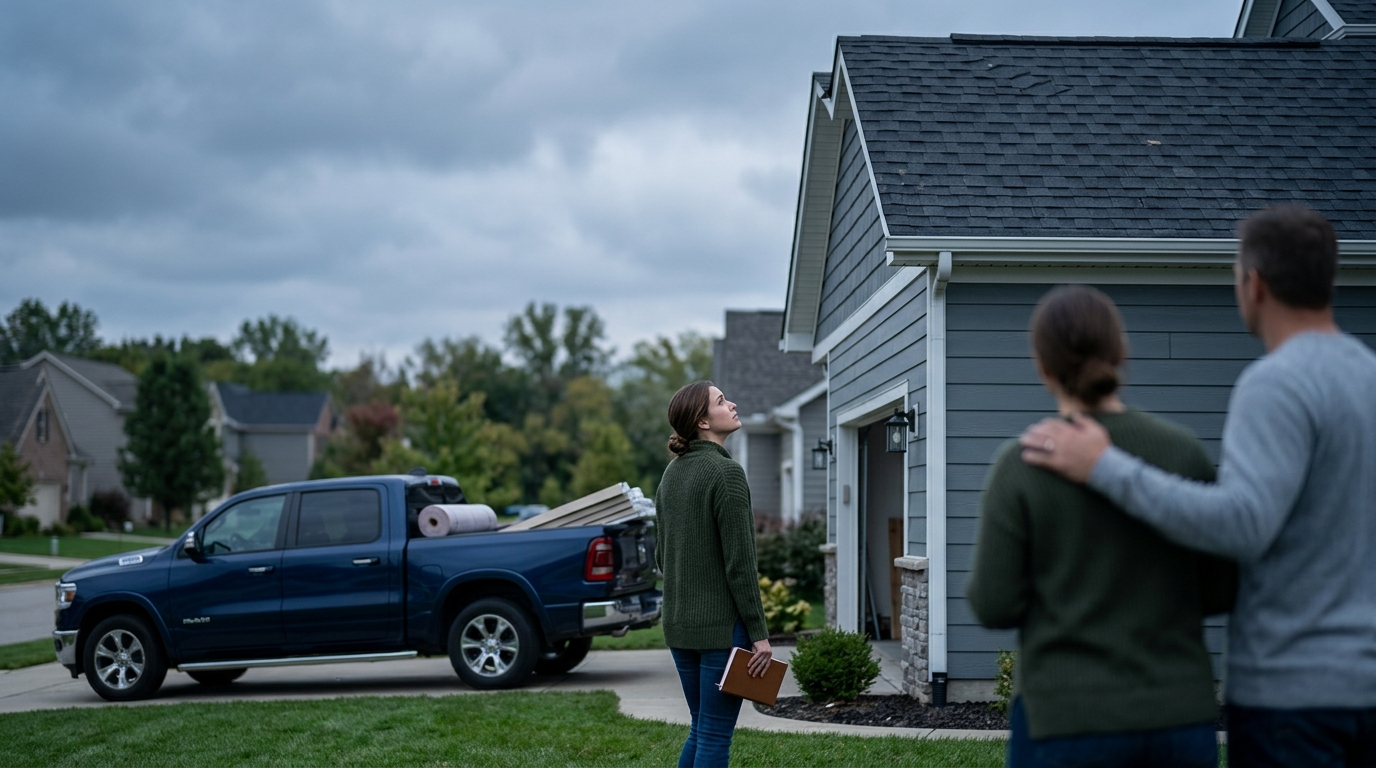
Storm damage does not discriminate between your roof and your siding. In fact, data from the National Weather Service indicates that severe weather events cause billions of dollars in property damage annually across the United States. When a storm hits, the immediate priority is securing the envelope of your home to prevent secondary damage like mold, rot, and structural decay. For homeowners in Ohio, where weather patterns can shift rapidly from high winds to heavy hail, understanding the distinct repair pathways for roofing and siding is critical. This guide breaks down the differences in diagnosis, material selection, and installation processes to help you make informed decisions about restoring your home's integrity.
Step 1: Diagnosing Storm Damage Accurately
Before selecting a repair option, you must identify the extent of the damage. Storms typically cause two types of exterior trauma: direct impact from debris or hail, and wind uplift that loosens materials. Roof damage is often hidden, meaning shingles may appear intact while the underlying underlayment is compromised. Siding damage is usually more visible, with cracks, dents, or missing panels exposing the sheathing to moisture.
At Primo Exteriors, we emphasize that early detection prevents costly interior repairs. If you notice granules in your gutters or water stains on your ceilings, immediate professional inspection is required. Our team serves Cincinnati, Dayton, and surrounding Liberty Township areas, providing 24/7 emergency support to tarp roofs and secure siding after severe weather events.
Roof Repair Options: Shingles, Metal, and Underlayment
Roofing repairs vary significantly based on the material installed on your home. The goal is to restore the waterproof barrier while maintaining aesthetic consistency.
Asphalt Shingle Repair
Asphalt shingles are the most common roofing material in Ohio. Storm damage often manifests as cracked, curled, or missing shingles. Partial repairs are possible if the damage is localized, but matching the existing shingle color and texture can be challenging if the original batch is discontinued. In many cases, a full roof replacement is recommended to ensure uniform protection and warranty validity.
Metal Roofing Solutions
Metal roofs are highly resistant to wind uplift but can suffer from denting during hail storms. Repair options include replacing individual panels or sections. Metal roofing offers superior durability against extreme weather, making it a popular choice for homeowners in residential roofing projects seeking long-term resilience.
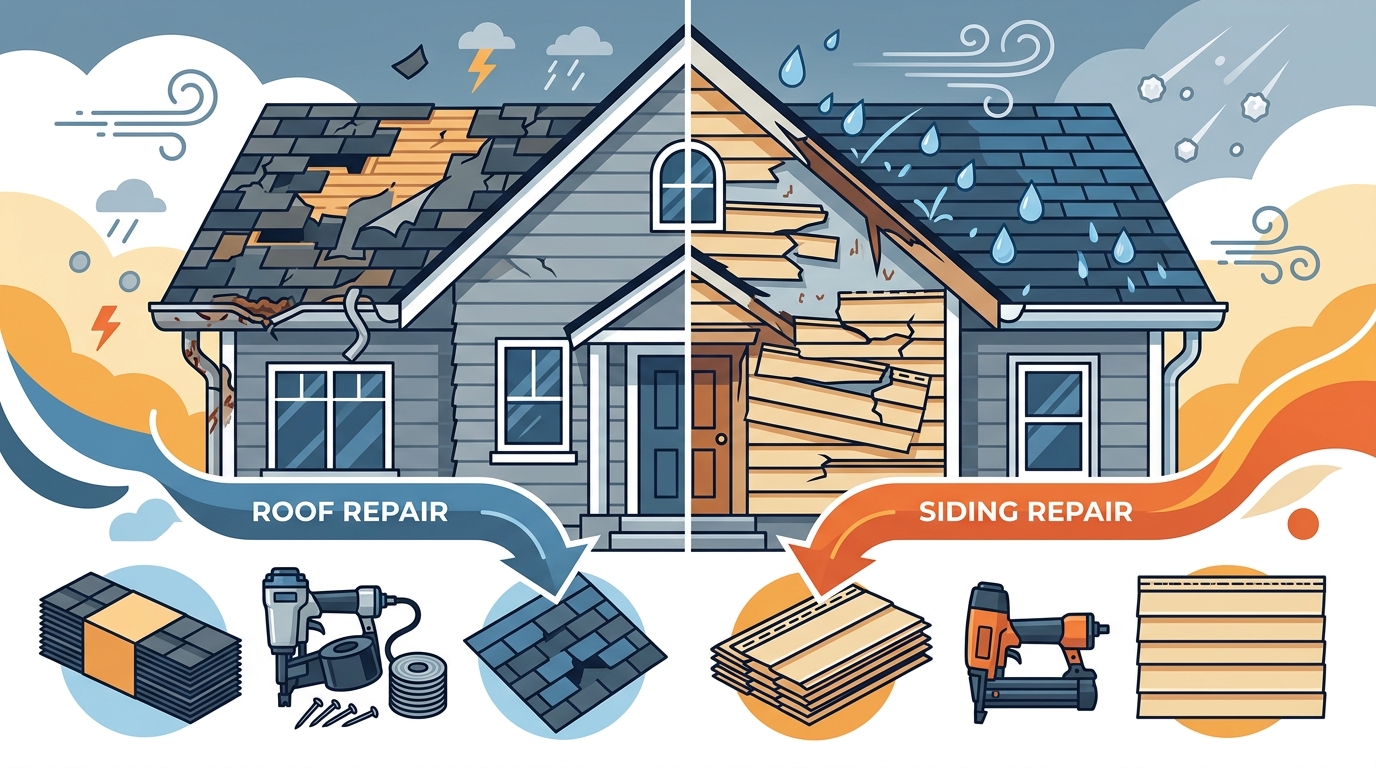
Underlayment and Flashing
Often overlooked, the underlayment acts as the secondary water barrier. Storms can tear this layer, leading to leaks even if shingles are intact. Flashing around chimneys, vents, and valleys is also vulnerable. Proper flashing repair is essential to prevent water infiltration into the attic space.
Siding Repair Options: Vinyl, Fiber Cement, and Wood
Siding serves as the first line of defense against moisture and pests. Repair strategies depend heavily on the material type.
Vinyl Siding Repair
Vinyl siding is durable and low-maintenance but can crack or shatter upon impact from large hail or branches. Vinyl siding is a synthetic polymer material used to clad the exterior of buildings. Repairs typically involve removing the damaged panel and replacing it with a new one. Matching the exact color is crucial, as vinyl fades over time. If the damage is widespread, a full siding replacement may be more cost-effective than individual panel repairs.
Fiber Cement Siding
Fiber cement is known for its strength and resistance to rot and insects. However, it can chip or crack under severe impact. Repair options include patching small cracks with specialized filler or replacing individual planks. Fiber cement siding requires painting and regular maintenance to prevent moisture absorption at the seams.
Wood Composite Siding
Wood siding offers a classic aesthetic but is susceptible to warping and rot if the storm damage exposes it to prolonged moisture. Wood composite siding is a engineered material made from wood fibers and resin. Repairs often involve replacing rotted sections with new wood or switching to a more durable composite alternative. Proper sealing and painting are vital to extend the lifespan of wood siding after storm exposure.
Comparing Costs and Timelines
Understanding the financial and temporal aspects of roof versus siding repairs helps in planning your restoration project. The table below outlines general comparisons.
| Factor | Roof Repair/Replacement | Siding Repair/Replacement |
|---|---|---|
| Primary Concern | Water infiltration and structural integrity | Aesthetic consistency and moisture barrier |
| Typical Timeline | 1-3 days for repair; 3-7 days for replacement | 2-5 days for repair; 1-2 weeks for replacement |
| Cost Range | Higher due to material volume and labor intensity | Variable based on material (Vinyl is lower cost) |
| Insurance Coverage | Often covered under dwelling protection | May require separate endorsement or deductible |
While roofing repairs often command a higher immediate cost due to the complexity of working at heights and the volume of materials, siding repairs can add up quickly if multiple panels are damaged. At Primo Exteriors, we provide transparent estimates to help you weigh these options.
Navigating Insurance Claims for Exterior Repairs
Storm damage is frequently covered by homeowners insurance, but the claims process can be complex. Documentation is the key to a successful claim. Insurance adjusters will inspect both the roof and siding to determine the extent of the damage. It is crucial to have a professional contractor on your side to advocate for necessary repairs.
Primo Exteriors assists clients with the insurance claim process, ensuring that all storm-related damage is documented and submitted correctly. We work with top manufacturers like GAF and Owens Corning to provide warranties that complement your insurance coverage. Our team understands the local regulations in Ohio and can help you navigate the specifics of your policy.
Key Takeaways
- Storm damage affects both roofing and siding, requiring distinct repair strategies for each.
- Roof repairs focus on waterproofing, while siding repairs prioritize aesthetic and moisture barrier integrity.
- Asphalt shingles may require full replacement if color matching is impossible, whereas vinyl siding allows for panel-by-panel repair.
- Early detection by a licensed contractor prevents secondary damage like mold and rot.
- Primo Exteriors offers 24/7 emergency support for Liberty Township, Cincinnati, and Dayton homeowners.
- Insurance claims require thorough documentation and professional advocacy to ensure full coverage.
- Manufacturer certifications from GAF and Owens Corning indicate high-quality workmanship and product warranties.
Frequently Asked Questions
Can I repair my roof and siding separately after a storm?
Yes, you can repair them separately, but it is often more efficient to address both simultaneously. Coordinating repairs ensures that the roof and siding interfaces are properly sealed, preventing water intrusion at the junction points.
How do I know if my siding is damaged by the storm?
Look for visible cracks, dents, or missing panels. Also, check for loose siding that may indicate underlying damage to the sheathing or insulation. If you suspect damage, contact a professional for an inspection.
Does homeowners insurance cover storm damage to siding?
Most standard homeowners insurance policies cover sudden and accidental damage from storms, including hail and wind. However, coverage limits and deductibles vary, so it is essential to review your policy details.
What is the best material for storm-resistant siding?
Fiber cement and impact-resistant vinyl are among the best options for storm resistance. They offer durability against hail and wind without compromising aesthetic appeal.
How long does it take to repair storm damage?
Roof repairs typically take 1-3 days, while siding repairs can take 2-5 days depending on the extent of the damage. Full replacements may take longer.
Why choose a family-owned contractor for storm repairs?
Family-owned contractors like Primo Exteriors often provide more personalized service and accountability. With over 35 years of experience, we prioritize customer satisfaction and quality workmanship.
What should I do immediately after a storm?
Ensure your safety first, then inspect your property for visible damage. If you suspect roof or siding damage, contact a professional contractor for an emergency assessment to prevent further issues.
Get Your Free Storm Damage Assessment
Do not wait for minor storm damage to become major structural issues. Primo Exteriors is ready to help you restore your home's safety and beauty. Contact us today for a free, no-obligation quote and inspection. Our team is available 24/7 to provide emergency support and expert guidance.
Request A Quote or call us at (513) 341-8551 to schedule your assessment.